

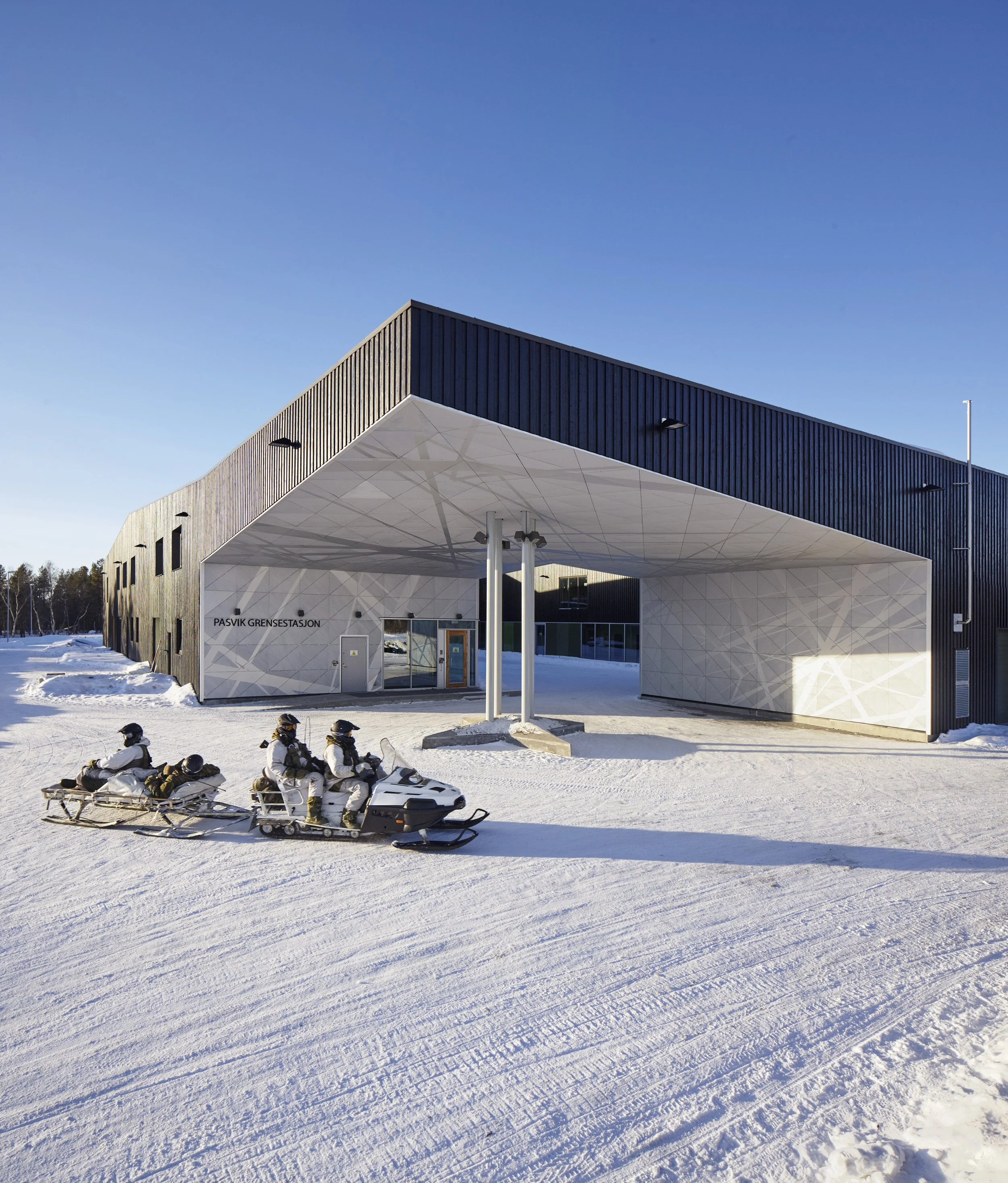
Pasvik Army Garrison in Sør-Varanger
TYPE OF PROJECT: Culture
LOCATION: Svanvik and Storskog, Sør-Varanger
CLIENT: The Norwegian Defence Estates Agency, NDEA
COLLABORATORS: Norconsult
SIZE: ca. 2500 m²
TIMEFRAME: 2010-2014
PROJECT STATUS: Completed
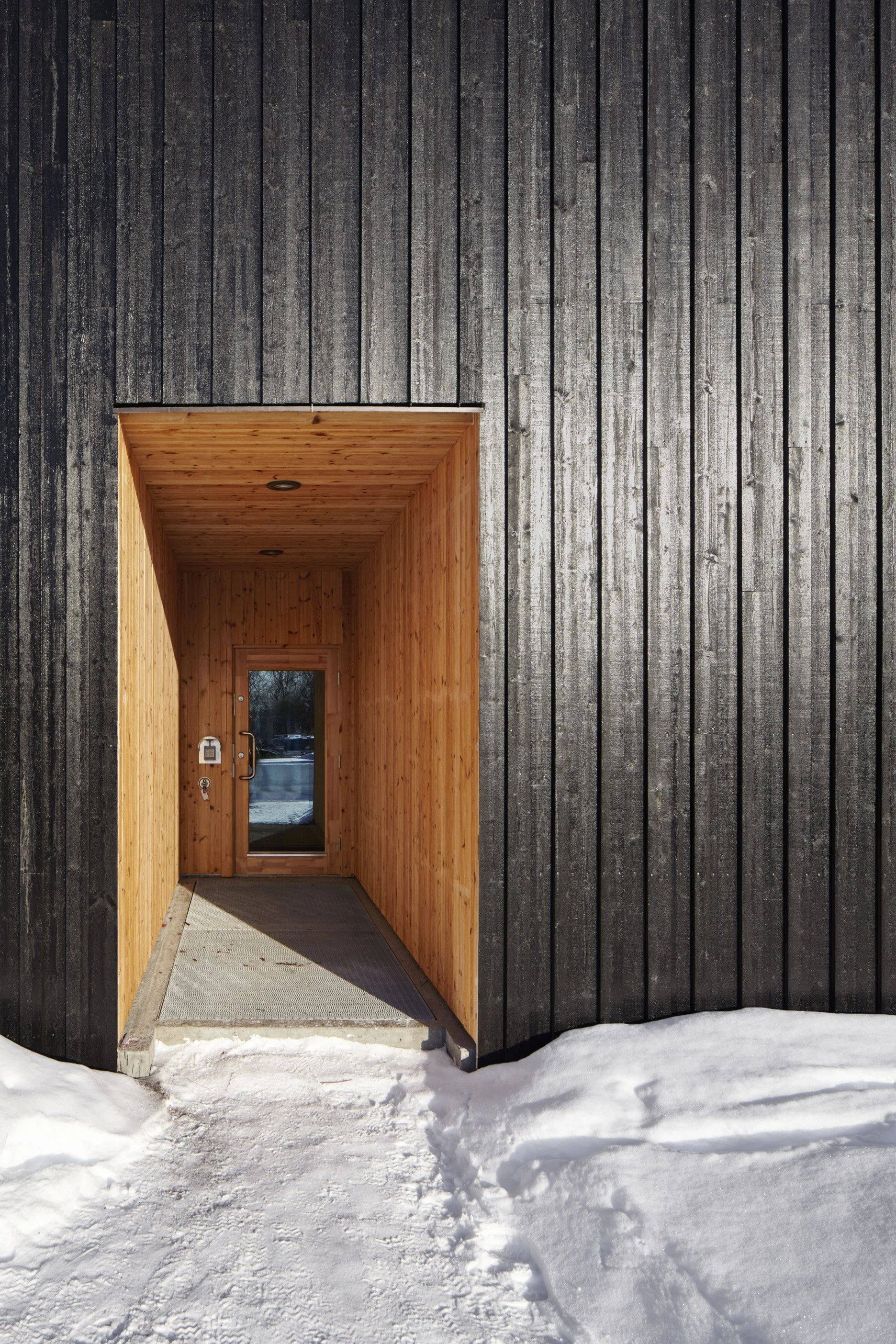
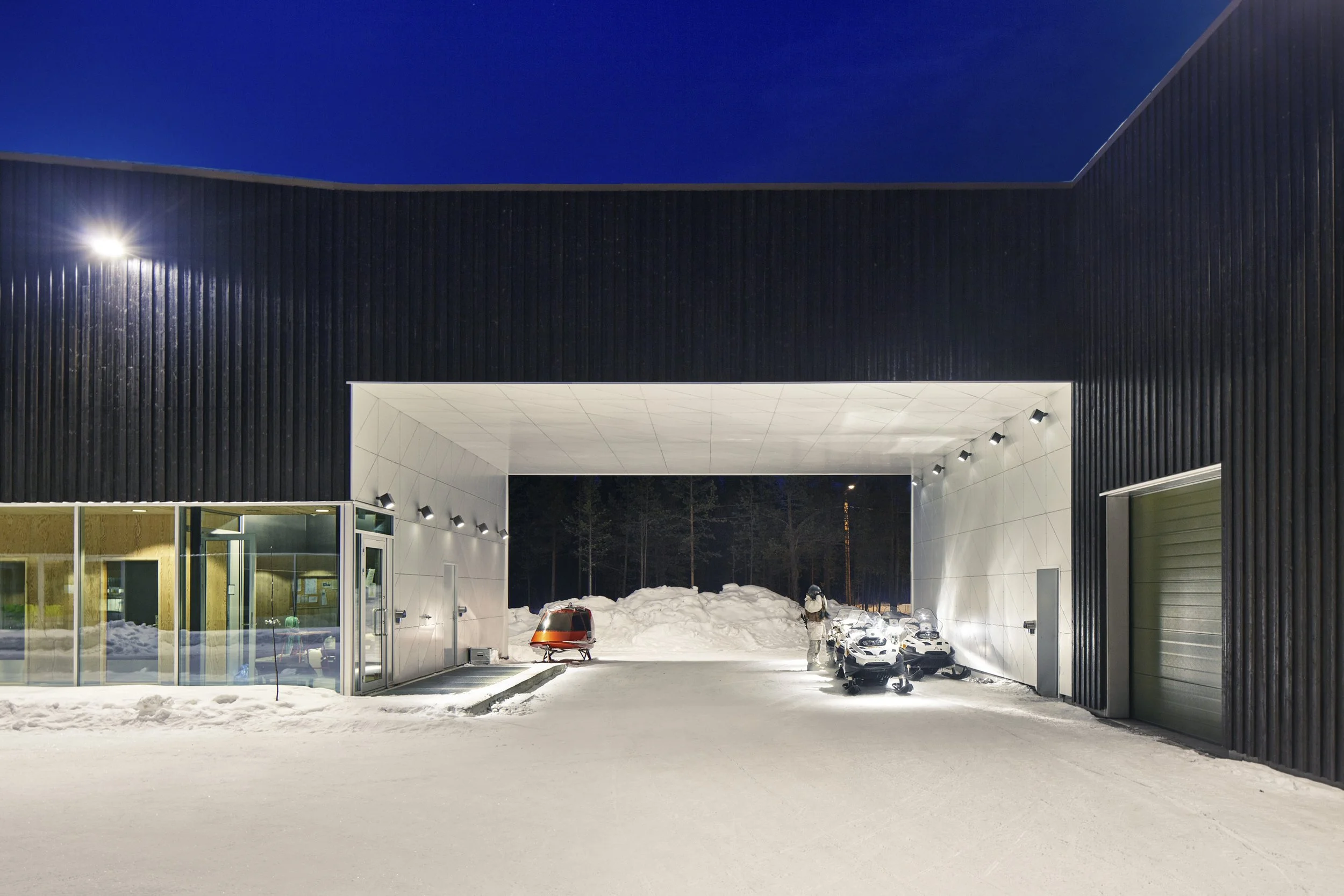
In 2010, A-lab won the competition for the design of two new garrisons in the Sør-Varanger region, near the Russian border. The garrisons’ primary function is to meet the Norwegian Border Ranger Company’s demands for a base that has to serve as a home, as well as to be an efficient instrument for ensuring preparedness in the field. The challenge was a novel one. How do we design garrisons that meet the Norwegian Armed Forces’ demand for rational logistics, while also signaling a military that is open, both with regards to the surroundings and to civilian society?
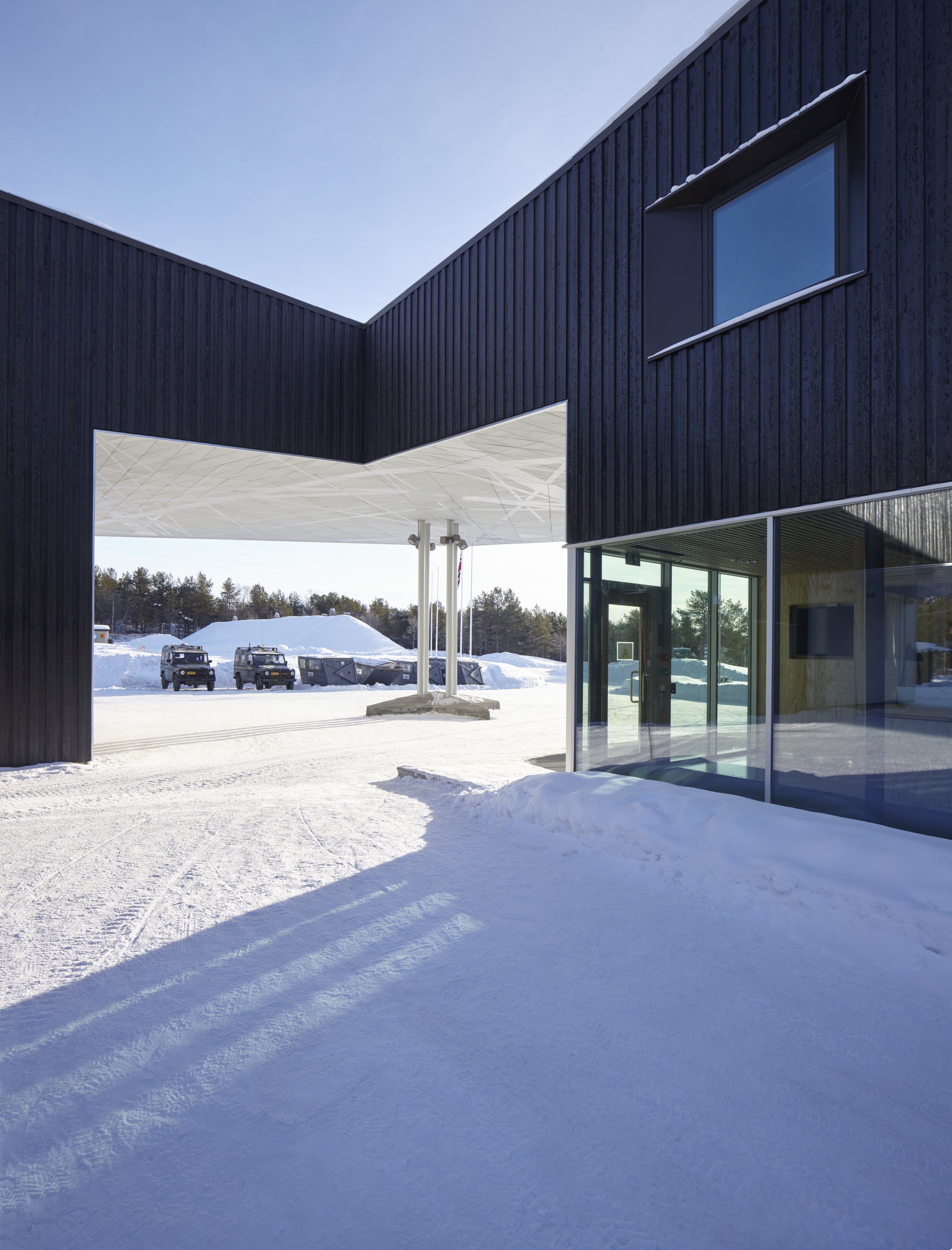
Civilian society meets the military
The primary design challenge was to satisfy users with many different needs, ranging from military personnel, who are stationed here long-term or short-term, to civilian employees and visitors.
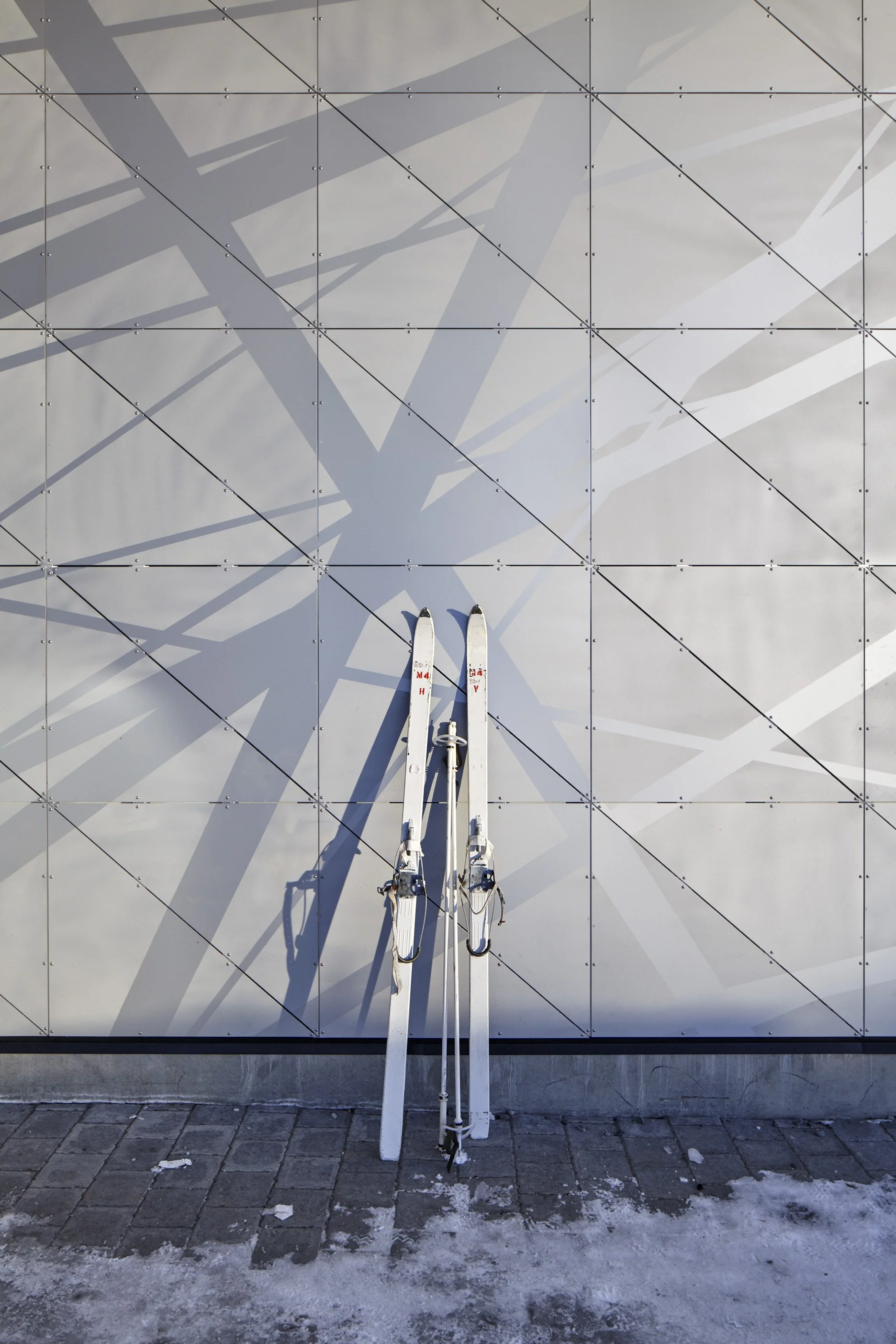
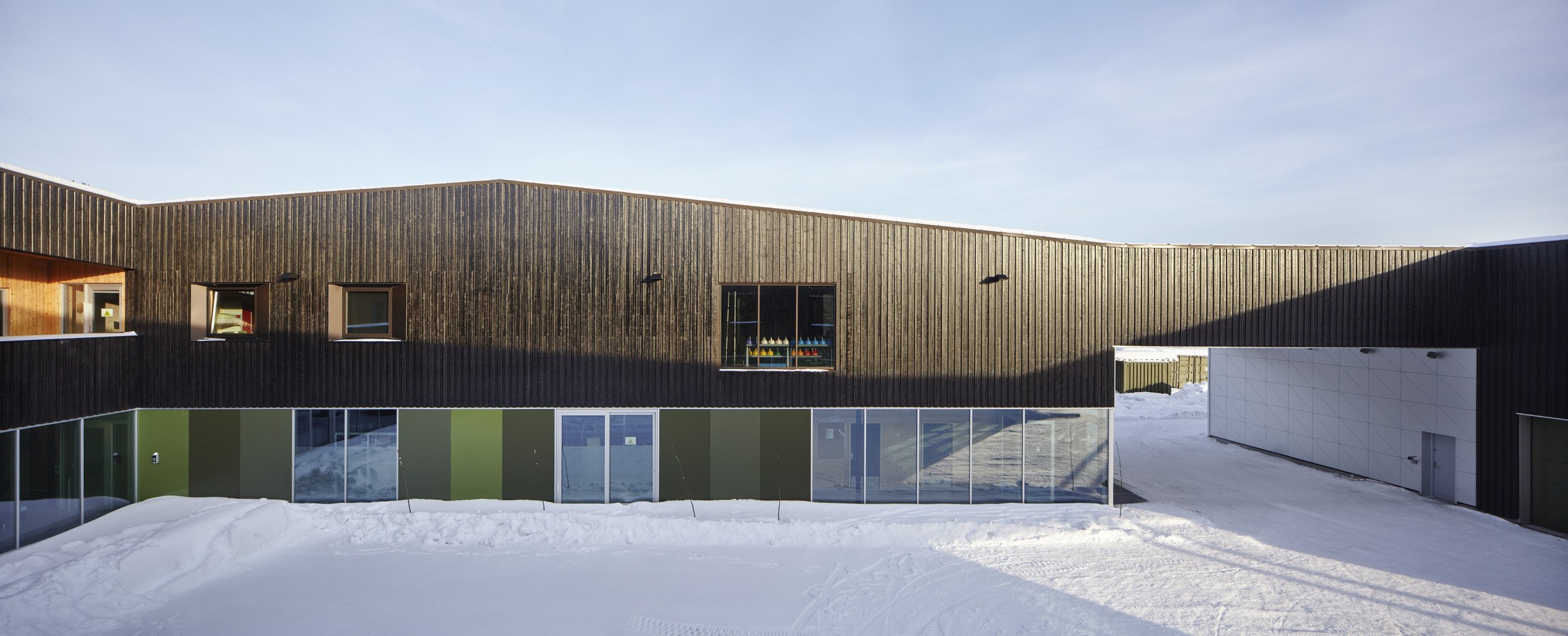
The heart of the building
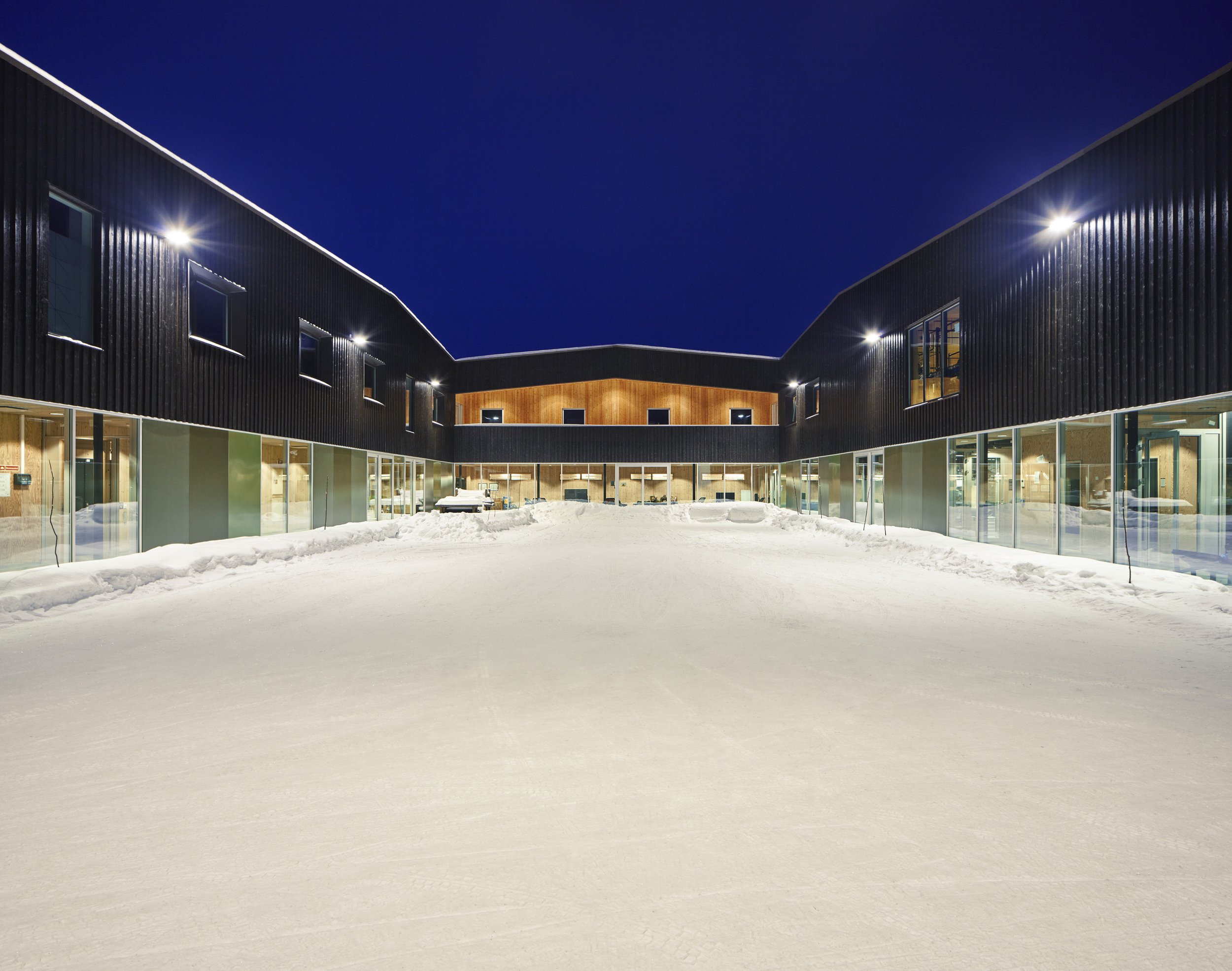
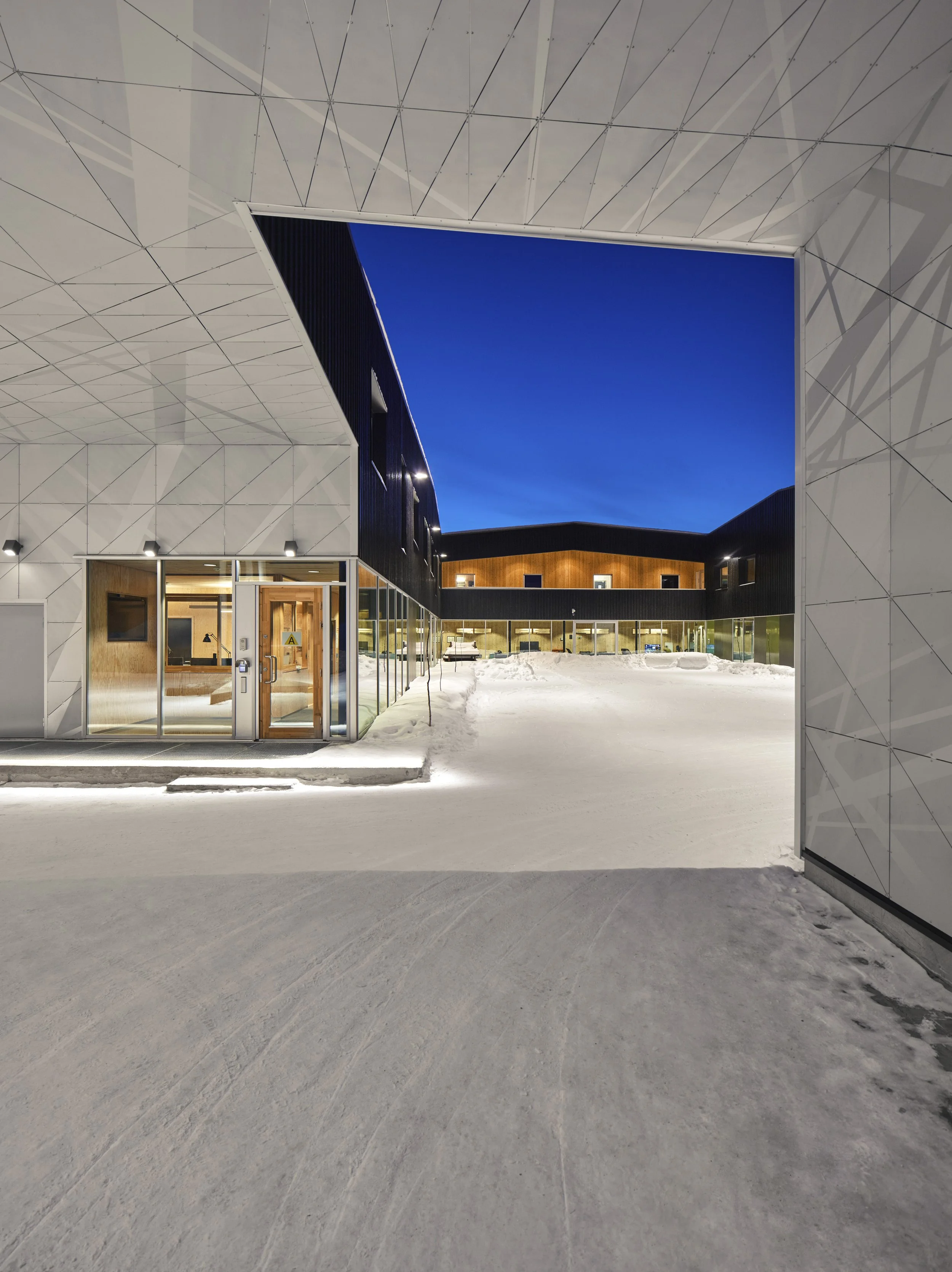
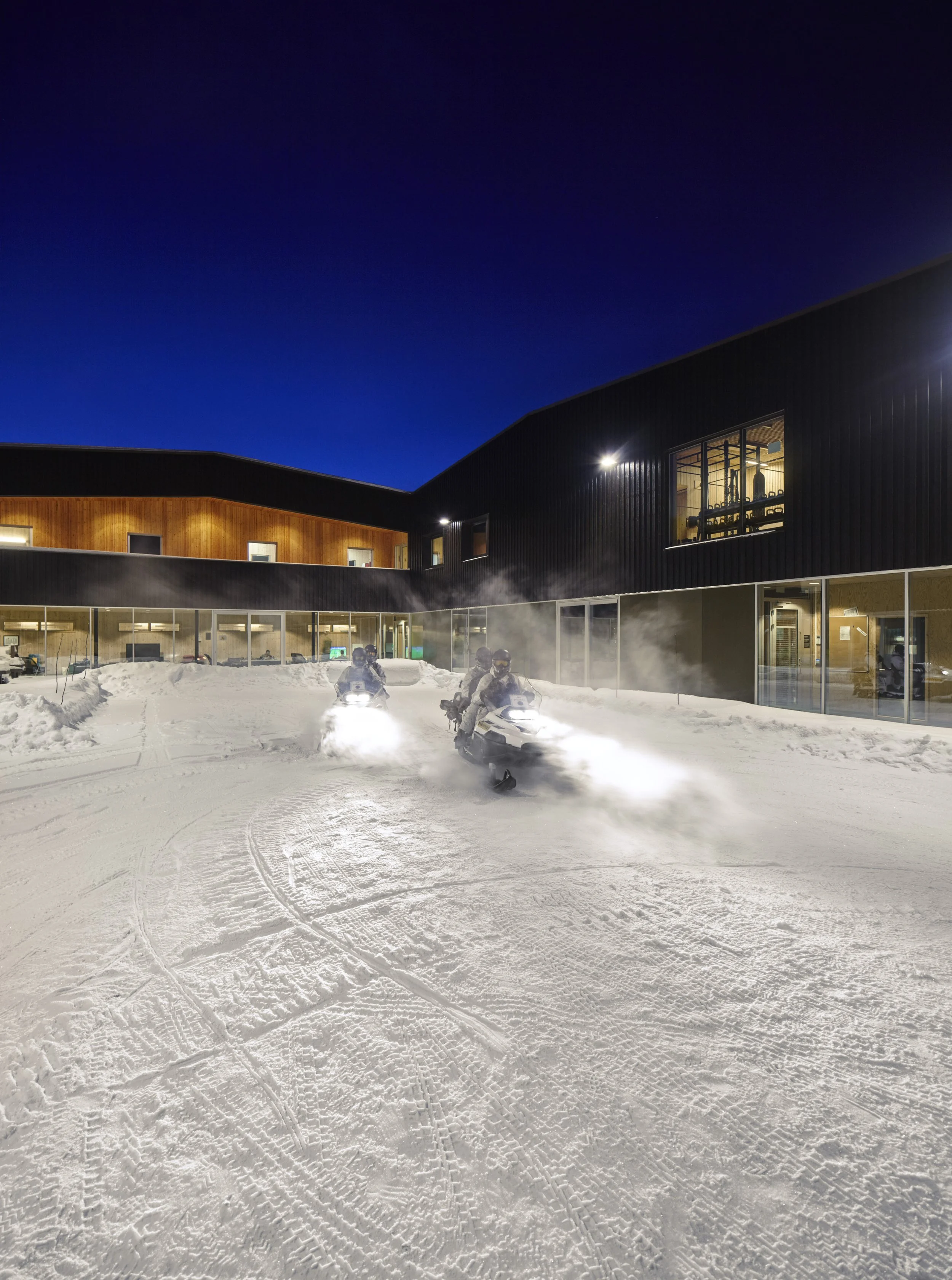
The courtyard forms the heart of the building – this is the parade ground, where soldiers eat breakfast, engage in ball games, and repair equipment and vehicles. The garrison’s rooms for shared functions all face the courtyard. Sliding doors allow shared rooms to be opened onto the large common courtyard.
Plan 1: Work
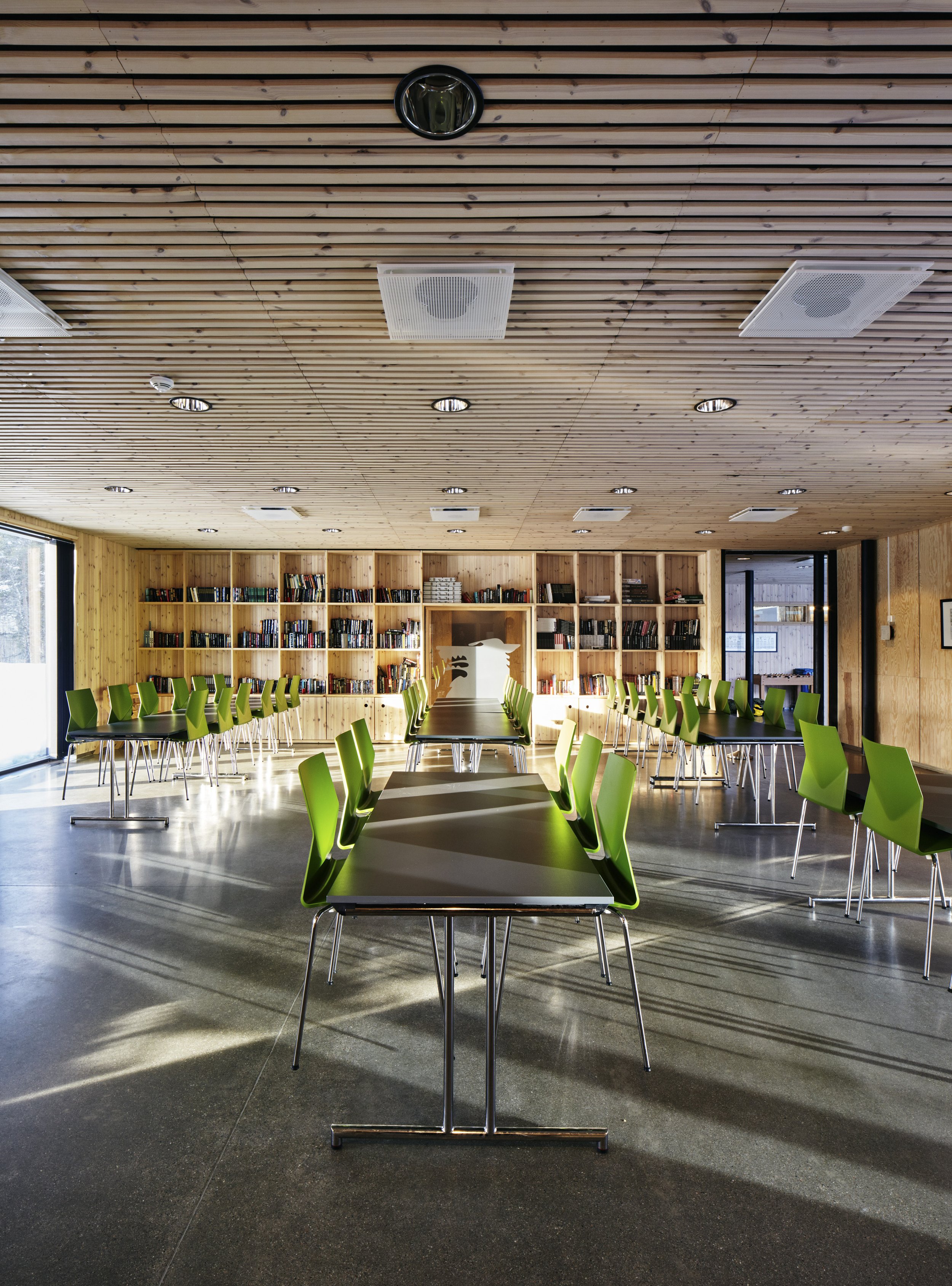
All administration, management, work-related and common rooms are on the ground floor. Just behind the glass walls is a corridor that runs the perimeter of the courtyard, tying together these functions.
Plan 2: Living
The upper floor, which is designed to satisfy more private needs, contains living quarters, bathrooms, a gym, balconies and a relaxation zone. The bedrooms have identical floor plans, but their vertical placements vary. All rooms enjoy a view, either onto the surrounding wilderness or into the courtyard.
History
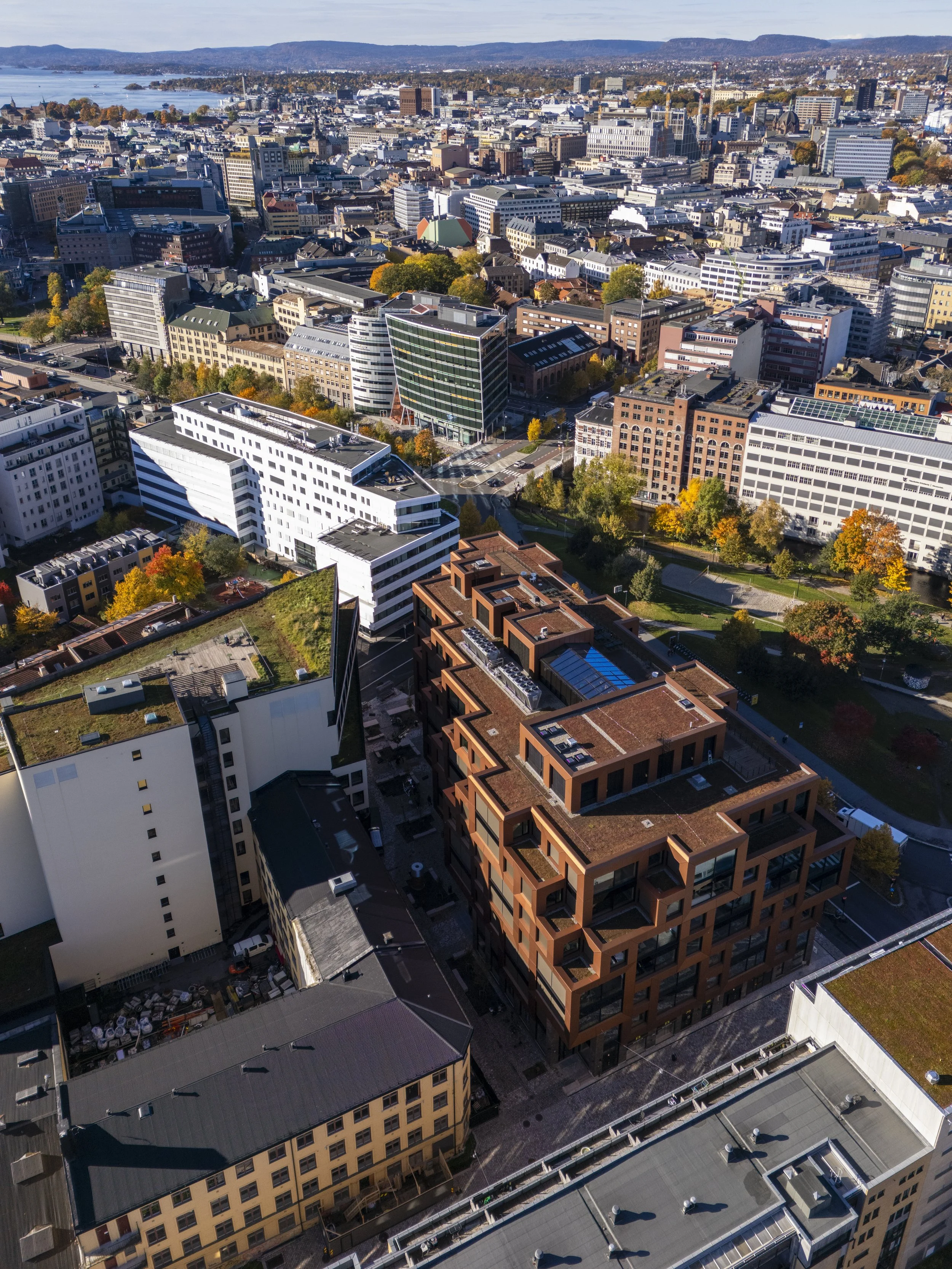
Photo: Ole Walter for Eiendomsspar AS
Concept
The project area has several qualities going for it. It is centrally located, which makes it very accessible, regardless of modes of getting there. Transformation of existing building mass (and a grey-fill) in an area with eclectic mix of different architectural styles, allows for creative spatial and design solutions. The idea of making the block permeable is central to the project as it functions as another connecting vein - bridging the west side and the east side of Oslo. An inner passage connects the three buildings together and makes it possible to cross the block diagonally, thus creating a short cut for the neighborhood. Active and extroverted façades, with service amenities makes this area an interesting place to pass by and even stay. Benches and shelter from traffic makes the Diagonal a nice place to catch one breath. The idea of making an area with a lot of offices more extroverted and accessible to the public was central for the success.
The project mainly consist of spaces for offices and a school campus, this is also makes Urtekvartalet exciting as one gets a diverse group of users who normally don’t cross paths. Not least, the potentials of fruitful synergies.
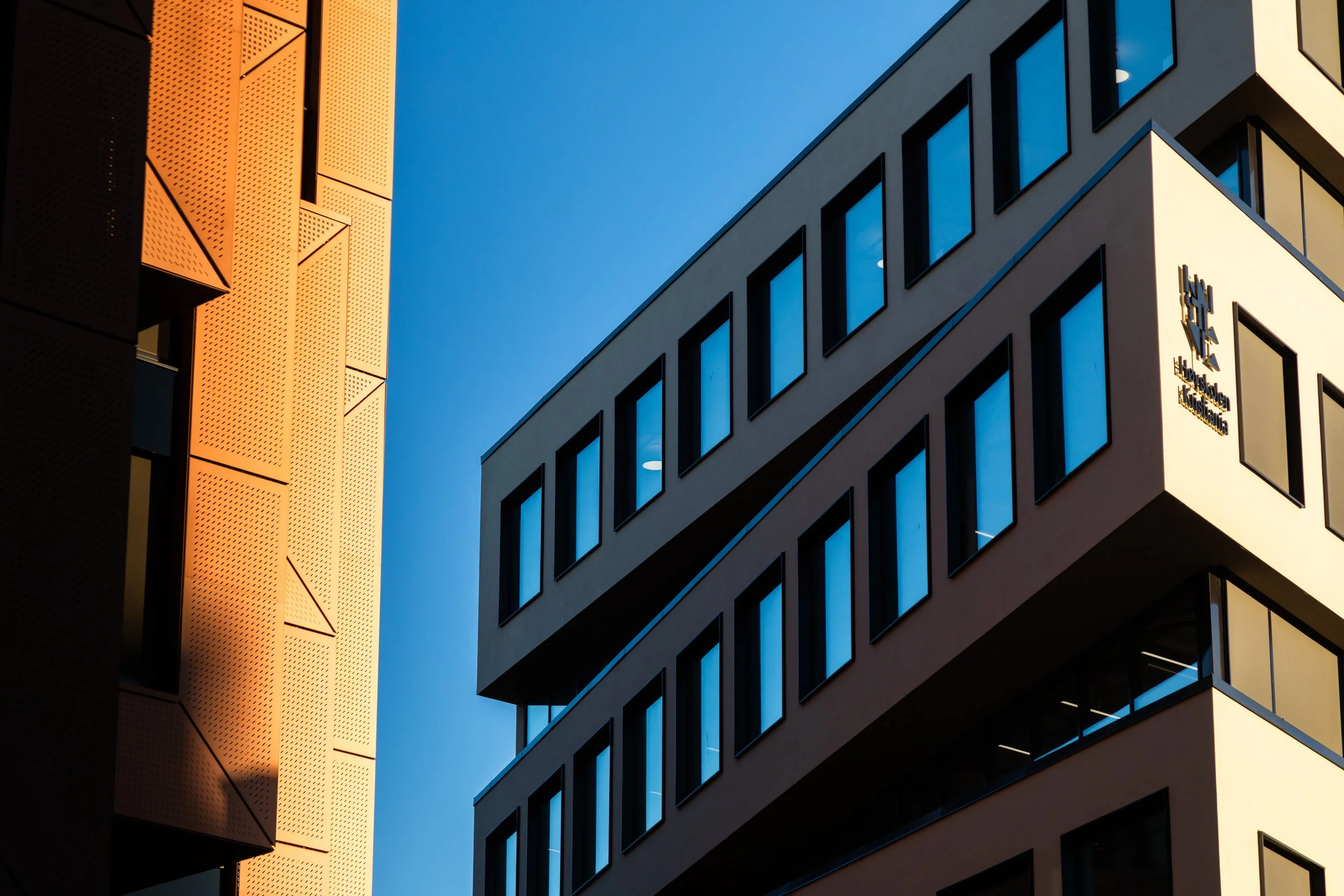
Photo: Mikkel Lyng
Architecture
All three buildings have a different architectural style and there are several reasons as to why. One being that the project contains both transformation, rehabilitation and new construction. The second being the functions. The SWECO head quarter needed a lot of space and some technical rooms, but the building itself, Veksthuset also houses other functions like cafes and a neighborhood office. So, the design and volume had to signalize all these facets. The vibrant color and the playful geometric form are meant to draw attraction towards the building, but also a beacon of Urtekvartalet. Fabrikken is a college reserved for the arts and design, it had technical requirements that had to be integrated into the design. Together, Fabrikken and Veksthuset, with their geometric and angular expressions, creates a sort of portal into the square and the diagonal from the Nordbygata.
The Bee square
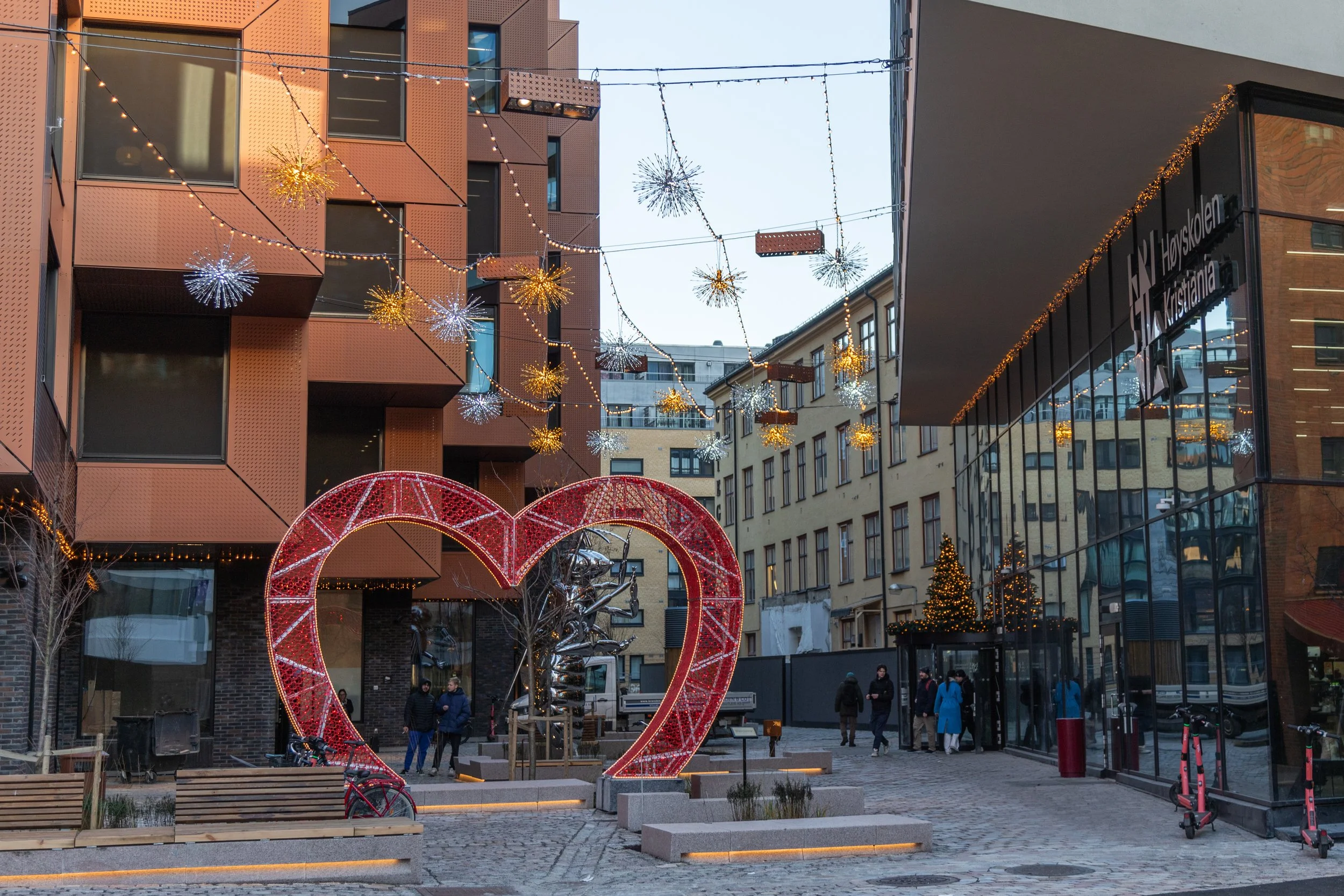
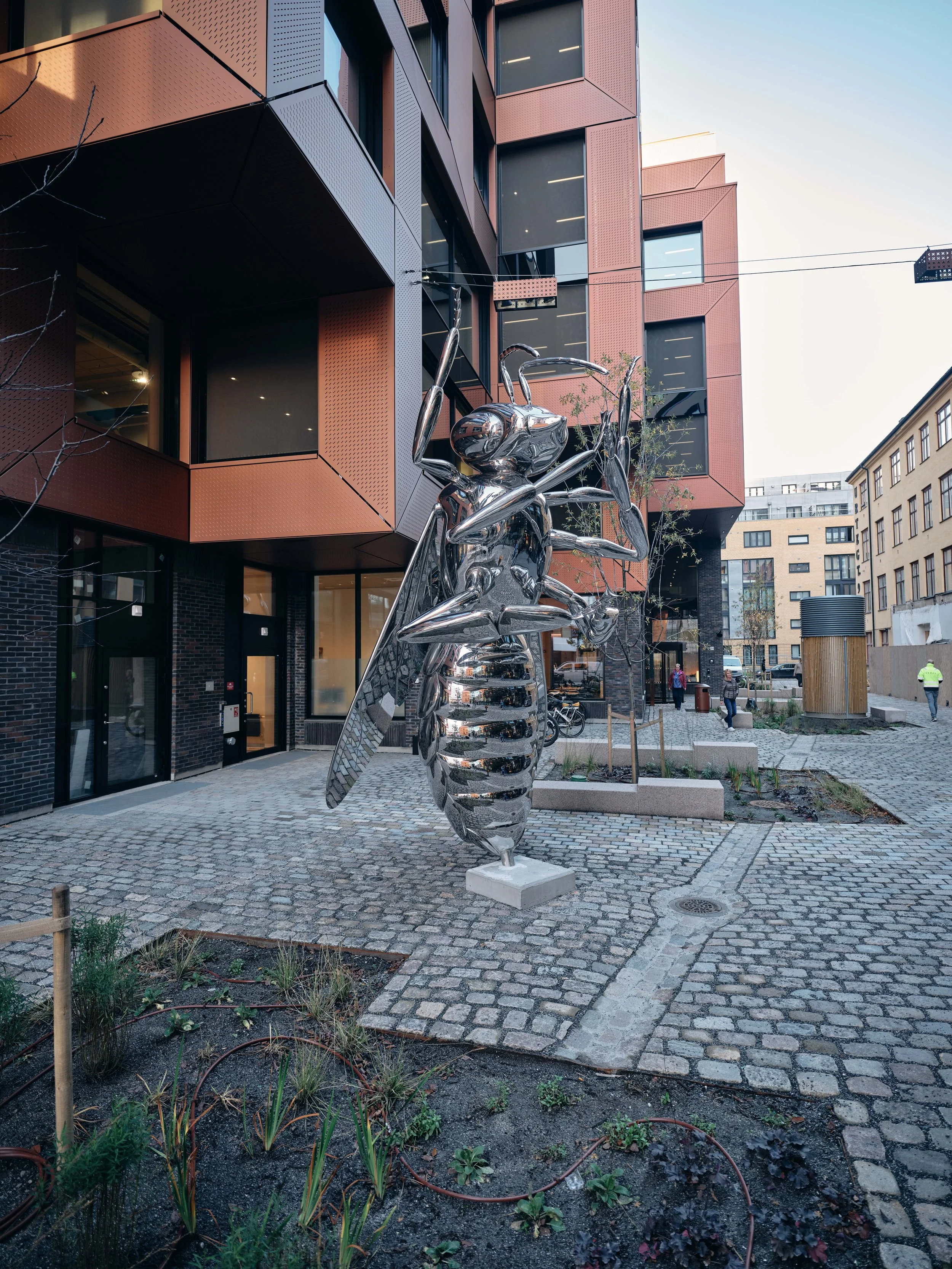
From Nordbygata you enter the Bee Square. Here depicted during its’ first winter. The square is where the office buiding to the left and the college campus to the right convene. Functions such as a convenience store and a coffeeshop creates more contact points. It is easy to recognize regulars and neighborhoors. The square offers shelter from the heavily trafficked Nylandsveien/Lakkegata and provides a calm space to catch one’s breath.
Photo: Mikkel Lyng
Diagonalen
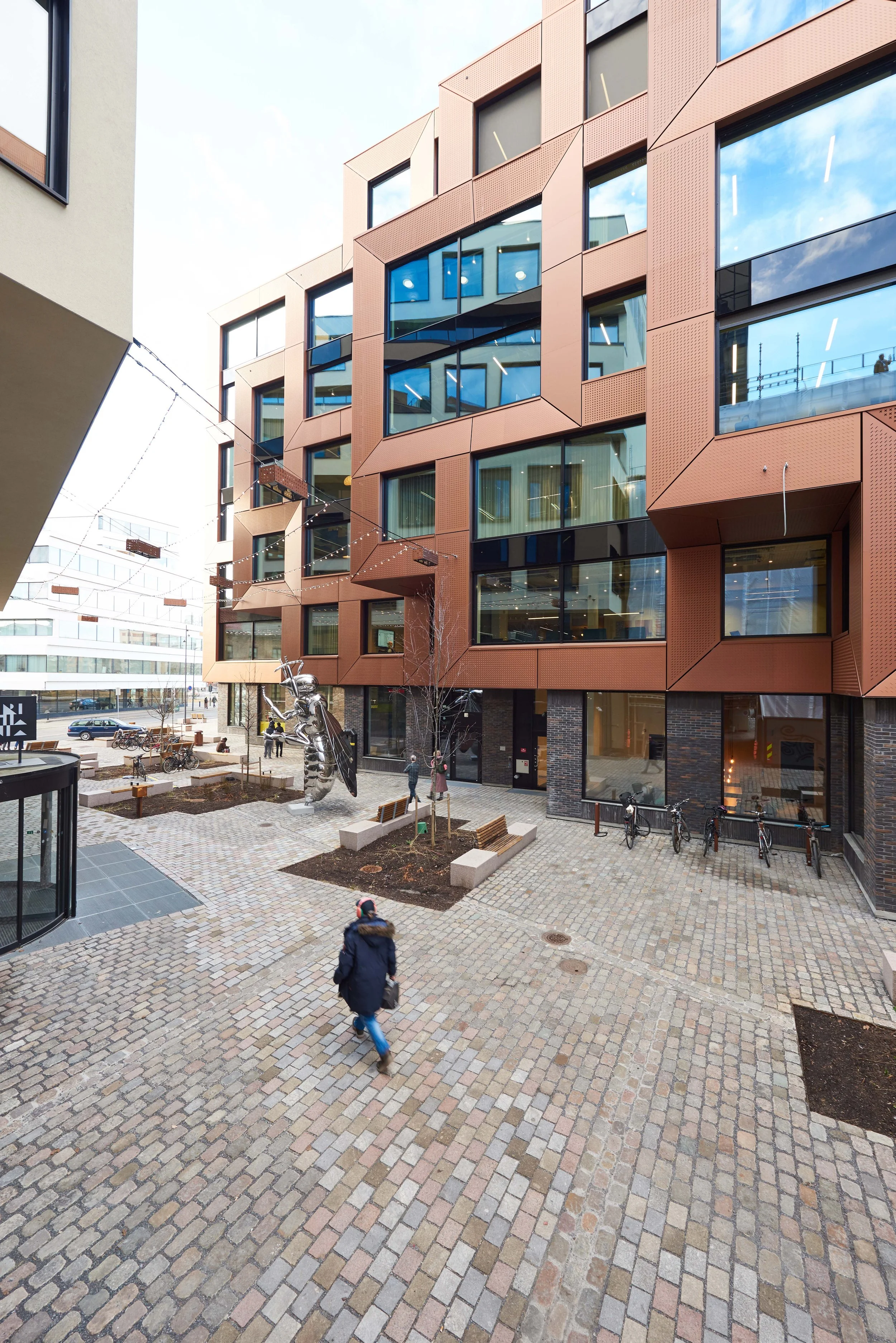
The slit across the project site offers a short-cut across the block but it also breaks down the volumes of Veksthuset and Fabrikken. The Diagonal offers a different vibe to the conventional alleyways, due to the small scale and the irregular geometric shape of Veksthuset. The protruded pixels on Veksthuset also creates an interesting ground floor design as it marks different functions and services with the building’s footprint. The alley is furnished with benches and a story-telling trail. Printed on aluminum cubes are local stories about the area, and clues to the names of the block and the building.
The neighborhood
Due to its’ location, we knew we had to make a project that would give something back to the neighborhood. It is an inner-city area where many with social challenges seek out due to the many outreach services around the area, like Salvation Army. But Urtekvartalet is also set in the most vibrant and culturally diverse neighborhood in Oslo and it neighbors central boroughs. We wanted to make a project that all the neighbors felt comfortable using. Hence the upgrade of Urtegata and creating public spaces that is welcoming and offers a little break. Urtekvartalet also functions as a connector between the aforementioned neighborhoods and thus a portal from east to west.